Introduction
Here's something I've learned after countless boardroom conversations: when executives say they want "diversity and inclusion," what they really mean is they want the optics of it. The photo ops. The LinkedIn posts during Pride Month. The carefully curated diversity statistics in annual reports.
But you? You're reading this because you know better. You understand that inclusion strategies aren't about checking boxes or appeasing shareholders - they're about fundamentally reimagining how your organization operates, thinks, and thrives.
Let's cut through the corporate jargon and talk about what actually works.
What Is an Inclusion Strategy (And Why Most Companies Get It Wrong)
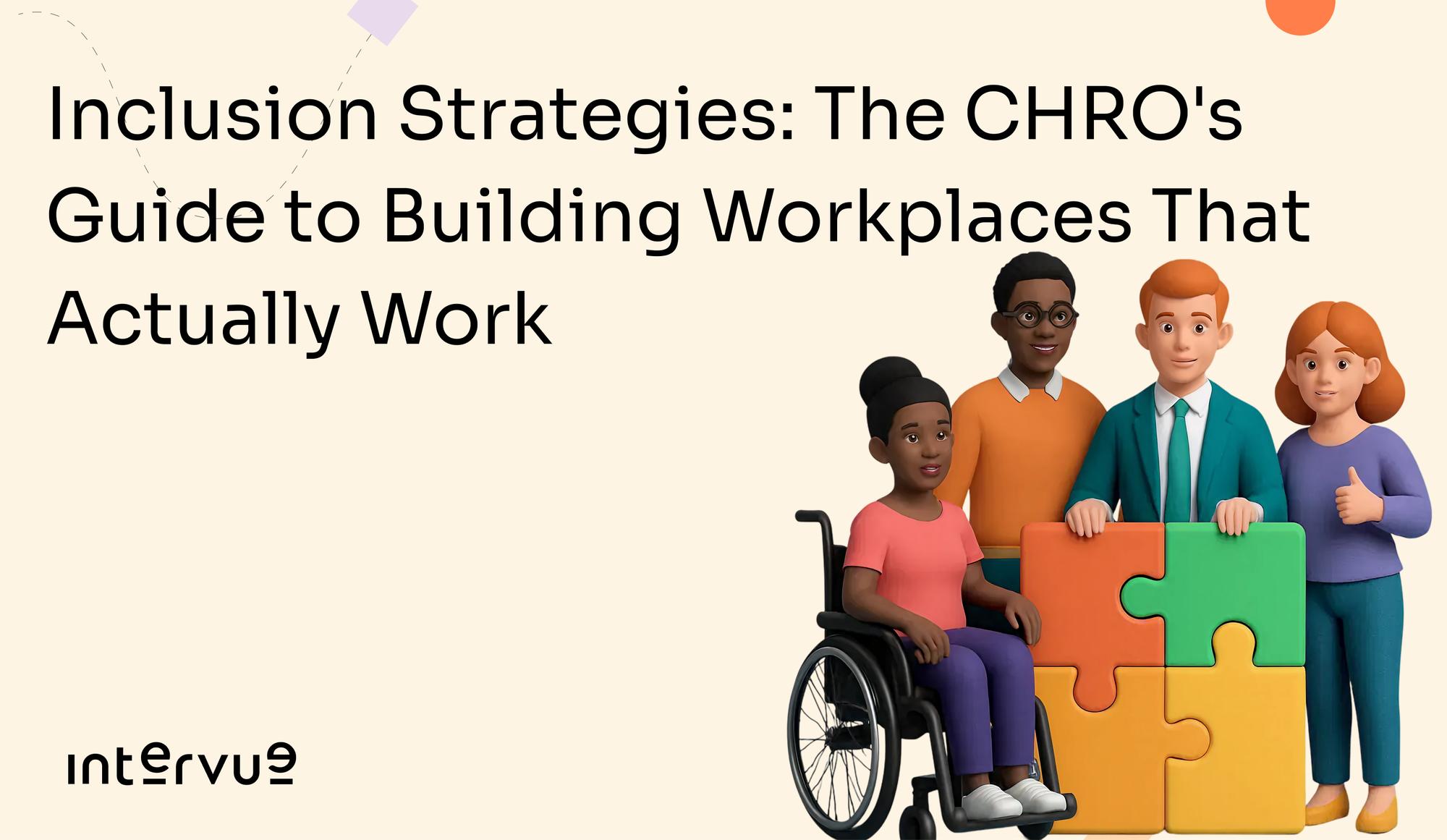
An inclusion strategy is your organization's deliberate, systematic approach to ensuring every employee - regardless of their background, identity, or circumstances - feels valued, heard, and empowered to contribute their best work. It's not a diversity initiative. It's not a training module. It's the architectural blueprint for how your company operates at every level.
Think of it this way: diversity is being invited to the party. Inclusion is being asked to help plan it, choose the music, and actually enjoying yourself once you're there. Your inclusion strategy is the roadmap that makes that happen. Diversity and inclusion aren’t the same thing.
Most organizations stumble because they treat inclusion as a program rather than a philosophy. They launch an initiative, pat themselves on the back, and wonder why nothing changes. Real inclusion strategies embed themselves into every decision, every policy, every performance review, and every promotion conversation.
Why Inclusion Matters More Than You Think

I'll be blunt: inclusion isn't optional anymore. It's a competitive advantage wrapped in a moral imperative. Here is the business case for diversity and inclusion.
Research from BCG shows that companies with above-average diversity scores generate 19% more innovation revenue. In India's rapidly evolving business landscape, where talent wars are fierce and employee expectations are shifting, your inclusive workplace isn't just nice to have - it's survival.
Consider this: your competitors are fighting for the same talent pool you are. The millennials and Gen Z professionals who now dominate the workforce aren't just looking for paychecks. They're evaluating whether your organization aligns with their values. They're asking hard questions about belonging, psychological safety, and whether they can bring their whole selves to work.
When you implement effective inclusion strategies for employee engagement, you're not just being progressive - you're being pragmatic. Engaged employees are 21% more productive, take fewer sick days, and actually stick around long enough to justify your recruitment costs.
How to Create an Inclusion Strategy That Actually Works
Let me walk you through this. Not the sanitized, consultant-approved version, but the real process that transforms organizations.
Start With Brutal Honesty: The Inclusion Audit
Before you can fix anything, you need to know what's broken. An inclusion audit is your unflinching look in the mirror.
I recommend a three-pronged approach:
Data Analysis: Pull your hiring, promotion, and retention metrics. Break them down by gender, age, disability status, region, and any other relevant demographic. Where are the patterns? Who's getting promoted? Who's leaving? Which teams have zero diversity?
Employee Listening: Anonymous surveys aren't enough. Conduct focus groups with employees from underrepresented backgrounds. Ask uncomfortable questions: "Do you feel your ideas are valued?" "Have you witnessed or experienced bias?" "Would you recommend this company to someone like you?"
Policy Review: When was the last time you actually read your company policies? I mean really read them. Do they accommodate religious observances beyond the standard holidays? Do your parental leave policies support all family structures? Does your remote work policy inadvertently exclude employees with caregiving responsibilities?
Audit AreaKey QuestionsData Sources Hiring Practices Are job descriptions using inclusive language? What's our conversion rate by demographic? ATS data, recruiter interviews Promotion Patterns Who gets promoted and why? Are advancement criteria transparent? HRIS data, manager surveys Pay Equity Are we paying fairly across demographics for similar roles? Compensation analysis Employee Experience Do all groups report similar satisfaction levels? Engagement surveys, exit interviews Leadership Representation Does our leadership reflect our workforce and community? Demographic reports
Build Your Inclusion Roadmap
Once you understand where you stand, it's time to chart where you're going. Your inclusion roadmap should be specific, measurable, and tied to business outcomes.
Here's what works:
Set Bold, Specific Goals: "We want to be more diverse" is meaningless. "We will increase representation of women in technical roles by 30% within 18 months" gives you something to work toward. "We will ensure 100% of managers complete inclusive leadership training by Q2" creates accountability.
Assign Ownership: Inclusion can't be HR's job alone. Every department leader needs skin in the game. Tie inclusion metrics to performance reviews and bonuses. When leaders know their compensation depends on creating inclusive teams, suddenly they find time for it.
Create Quick Wins and Long-Term Plays: You need momentum. Launch an accessible employee resource groups platform using tools like Glint. Revise job descriptions using inclusive recruitment tools from platforms like Greenhouse. These visible changes build credibility while you tackle harder systemic issues.
Inclusion Strategies for Remote Teams (Because Hybrid Is Here to Stay)
Let's talk about the elephant in your Zoom room: remote work has democratized access to opportunities for many employees while inadvertently creating new exclusion patterns for others.
Inclusion strategies for remote teams require intentional design:
- Async-First Communication: Not everyone can attend that 9 AM standup. Use collaborative tools that allow contributions across time zones and schedules.
- Virtual Watercooler Moments: Remote work can isolate employees. Create structured informal interactions - virtual coffee chats, hobby channels, celebration spaces.
- Equipment Equity: Don't assume everyone has a home office setup. Provide stipends or equipment to ensure all remote workers can participate fully.
- Documentation Culture: If decisions happen in hallway conversations or off-camera sidebar chats, remote workers are excluded. Document everything.

The Role of Inclusive Leadership (Your Secret Weapon)
Here's what nobody tells you: you can have the most sophisticated inclusion strategy in the world, but if your leaders aren't walking the talk, it's worthless.
Inclusive leadership isn't a personality trait - it's a skill set that can be developed. The best inclusive leaders I've worked with share common practices:
They Interrupt Bias: When someone gets talked over in a meeting, they pause and redirect. When the same voices dominate every discussion, they actively invite others to contribute. They notice patterns and disrupt them.
They Make Discomfort Productive: Inclusion work is uncomfortable. Great leaders lean into that discomfort. They admit mistakes, ask for feedback, and model vulnerability.
They Share Power: They create space for others to lead. They advocate for employees from underrepresented groups behind closed doors - in promotion discussions, project assignments, and budget meetings.
They Do the Work: They don't outsource their learning to their diverse employees. They read. They take courses on platforms like LinkedIn Learning or Coursera. They examine their own biases using resources from SHRM's Inclusion Strategy Toolkit.
Common Barriers to Inclusion (And How to Destroy Them)
You've probably encountered these. Let me save you some time by naming them:
"We Don't Have Budget": Inclusion doesn't always require massive investment. Reviewing your language in job postings costs nothing. Having honest conversations costs nothing. Sure, comprehensive platforms like DiversityInc or Culture Amp help, but start with what you have.
"Our Industry Is Just Like This": No, it isn't. Every industry has successfully diversified. This excuse is fear wrapped in inevitability.
"We Hire the Best Talent": This one drives me crazy. Who defined "best"? If your definition of merit only recognizes people who look, think, and credential like your existing team, your definition is broken.
"Diversity Means Lowering Standards": This reveals the actual problem: your assumption that people from underrepresented groups are less qualified. Challenge that assumption immediately.
Measuring Success: Inclusion Metrics That Matter
You can't manage what you don't measure. But here's the catch: most organizations measure the wrong things.
Yes, track representation. Yes, monitor hiring and promotion rates. But also measure:
- Belonging Scores: Do employees feel they can be authentic at work?
- Psychological Safety: Can people disagree, make mistakes, and take risks without fear?
- Promotion Velocity: How long does it take different groups to advance?
- Pay Equity: Are you paying fairly across demographics?
- Retention Patterns: Who stays and who leaves? Why?
Tools like Culture Amp and Workday offer sophisticated inclusion metrics dashboards that make this easier. But honestly, you can start with a simple spreadsheet and honest conversations.
MetricWhy It MattersTargetMeasurement Frequency Representation by Level Shows if diverse talent advances Match workforce demographics at all levels Quarterly Belonging Index Measures actual inclusion experience >80% report strong belonging Bi-annually Pay Equity Ratio Ensures fair compensation <2% unexplained variance< td> Annually ERG Participation Indicates community building >40% employee participation Quarterly Inclusive Manager Score Measures leadership effectiveness >4.0/5.0 average Annually
Inclusion Training: Beyond the Checkbox
Let's address the controversial topic: inclusion training.
Most diversity training doesn't work. There, I said it. Those mandatory two-hour sessions where everyone watches videos and clicks through slides? They often do more harm than good, creating resentment without changing behavior.
Effective inclusion training looks different:
It's Ongoing: Not a one-time event but continuous learning woven into leadership development, onboarding, and team meetings.
It's Experiential: Use case studies from your actual organization. Practice difficult conversations. Role-play real scenarios.
It's Customized: Your sales team faces different inclusion challenges than your engineering team. Tailor content accordingly.
It's Voluntary (But Incentivized): Mandated training breeds compliance, not commitment. Make it compelling enough that people want to participate.
Resources like Skillsoft and LinkedIn Learning offer solid foundations, but supplement with internal facilitators who understand your culture.
Inclusion Strategies for Small Businesses (Yes, You Too)
"We're too small for formal DEI work" is something I hear constantly. Let me be clear: inclusion strategies for small businesses are arguably more important because every hire matters more, every voice carries more weight, and culture calcifies faster.
Small organizations have advantages:
- Agility: You can implement changes quickly without bureaucracy
- Proximity: Leaders are closer to employees, making authentic connection easier
- Culture Setting: You're still defining who you are
Start with inclusive hiring practices. Use blind resume reviews. Standardize interview questions. Post openings in diverse communities. Partner with organizations supporting underrepresented groups.
Create inclusive policies from day one. Flexible work arrangements. Transparent compensation. Clear advancement criteria. It's easier to build inclusion into your foundation than retrofit it later.
The Indian Context: Navigating Unique Challenges
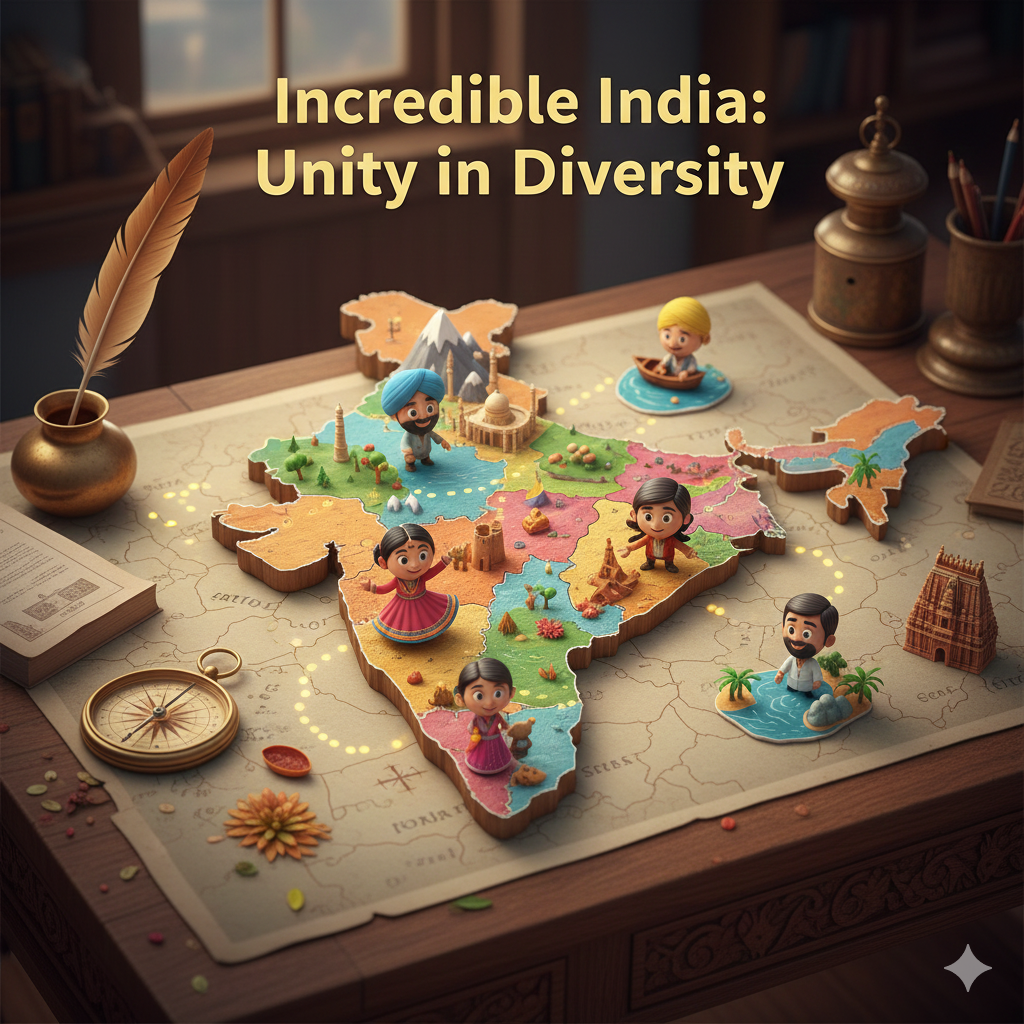
India presents distinctive inclusion challenges and opportunities. You're operating in a context with 22 official languages, multiple religions, varied regional cultures, complex caste dynamics, and rapid urbanization creating stark urban-rural divides.
Effective inclusion strategies for underrepresented groups in India must address:
Regional Representation: Are you inadvertently creating teams dominated by specific states or cities? Are regional language speakers advancing as quickly as English speakers?
Caste Considerations: This remains uncomfortable to discuss, but ignoring it doesn't make it disappear. Are employees from scheduled castes and tribes represented equitably? Do they face barriers to advancement?
Gender Beyond Binary: India's progressive recognition of transgender rights creates opportunities for truly inclusive policies. Are your facilities, benefits, and systems accommodating?
Disability Inclusion: With only about 1% of companies meeting the 5% disability employment requirement, inclusion strategies for accessibility represent both legal compliance and competitive differentiation.
Mental Health: Indian workplaces are starting to acknowledge mental health, but stigma persists. Inclusion strategies for mental health signal that psychological wellbeing matters as much as physical health.
Building Inclusive Culture: The Long Game
Here's what I wish more leaders understood: inclusive culture isn't created through policies alone. It's created through thousands of micro-interactions, decisions, and moments.
It's the manager who notices when someone's struggling and offers flexibility. It's the team that celebrates Eid, Diwali, Christmas, and Pongal with equal enthusiasm. It's the senior leader who admits they don't know something and asks for help.
Culture is built when:
- People see themselves reflected in leadership
- Mistakes are learning opportunities, not career-enders
- Different working styles are accommodated, not forced into one mold
- Feedback flows in all directions
- Success is defined broadly, not narrowly
Your Next Steps: From Reading to Action
You've made it this far, which tells me you're serious about this. So let's get practical.
This Week:
- Schedule your inclusion audit kickoff meeting
- Review your last quarter's hiring and promotion data
- Ask five employees from underrepresented groups: "What would make this workplace more inclusive for you?"
This Month:
- Form an inclusion task force with cross-functional representation
- Identify three quick wins you can implement immediately
- Schedule inclusion training for your leadership team using resources from HRCI or BCG's consulting services
This Quarter:
- Launch your first employee resource group (use platforms like Glint if budget allows)
- Revise job descriptions and interview processes using inclusive recruitment tools
- Set measurable inclusion goals tied to business outcomes
This Year:
- Implement comprehensive inclusion strategies for leadership development
- Create mentorship programs specifically supporting underrepresented talent
- Conduct your first formal inclusion assessment using tools from BetterWorks or Inclusivv
The Uncomfortable Truth
Let me leave you with this: inclusion work is never finished. There's no moment when you've "achieved" inclusion and can move on to the next initiative. It requires constant vigilance, continuous learning, and perpetual discomfort.
Some employees will resist. Some leaders will drag their feet. You'll make mistakes. You'll say the wrong thing, implement a program that backfires, or miss something obvious.
Do it anyway.
Because on the other side of that discomfort is something remarkable: a workplace where talent thrives regardless of background. Where innovation flourishes because diverse perspectives collide. Where employees bring their full selves to work because they know they belong.
That's not just good for business - though it absolutely is. It's the right thing to do. And in the end, that's reason enough.